Medical grade medical PVC is a flexible thermoplastic qualified for use in medical devices. It is selected for fluid-path components because of its flexibility and clarity for tubing and soft components, supports EO and gamma sterilization, and is processed under controls suited to single-use parts. ' . bfaq_company_name() . ' molds medical PVC components for IV sets and disposable devices.
Definition
A medical grade PVC is one of the small standardized parts that make a medical fluid path work. Its job is to connect, seal or control flow between two segments of a line, and it is manufactured from device-qualified plastics for reliable single-use performance.
Because the part sits directly in the fluid path, three things matter most: a dependable seal, dimensional consistency from part to part, and a material that is compatible with the fluid and the chosen sterilization method.
Medical grade medical PVC is valued for its flexibility and clarity for tubing and soft components. In fluid-path components it is chosen where those properties match the part, and it is compatible with EO and gamma sterilization. Baixin Bio molds medical PVC into the components where it performs best.
To put it in context: a disposable fluid-handling device is rarely one molding. It is a chain of small components — connectors, valves, chambers, clamps, caps and tubing — assembled into a single path. Standard interfaces are what let those components come from a catalog and still fit, which is the whole reason this category of part exists.
Properties and Limitations
Medical PVC is the workhorse for flexible tubing and soft components because it is clear, kink-resistant and easy to bond. Its considerations center on plasticizer selection and the move toward alternative formulations for certain sensitive applications, which is a conversation to have with your material and regulatory teams.
For sterilization, medical PVC is generally compatible with EO and gamma. The validated method for a finished device depends on the whole assembly, not just one component, so the resin choice is confirmed against the device and its process rather than assumed.
Material questions are also regulatory questions: biocompatibility, extractables and leachables, and documentation all factor into whether a grade is acceptable for a given contact duration. Baixin Bio can advise on resin selection, but the final determination belongs to the device maker and its quality system.
Key Advantages
The reasons medical grade PVC is specified come down to a few concrete advantages:
- Smooth fluid-contact surfaces for reliable connection
- Available in multiple materials and colors
- Supports OEM and ODM customization of dimensions and packaging
- High-volume manufacturing with stable quality
- Compatibility with common sterilization methods
- Standardized interface that interoperates with compliant luer components
Taken together, these are the reasons device makers standardize on molded medical components rather than improvising connections: the part is predictable, documented and available at volume, which keeps the finished device safe and the production line moving.
Common Applications
In practice, medical grade PVC appears wherever a controlled fluid connection is needed:
- Blood and fluid transfer lines
- Hemodialysis circuits
- Enteral feeding sets
- Laboratory fluid handling
- Irrigation sets
Across all of these uses, the underlying requirement is the same: a connection that is secure, leak-resistant and safe to make once and discard. That is why standardized, single-use molded components dominate the category — they remove variability from the most failure-prone part of a fluid path, the junction, and they let a device be assembled quickly and qualified as a unit.
How to Specify and Choose
Specifying the right part is mostly about matching a handful of variables to your assembly:
- The sterilization method the finished device will undergo
- Whether the part is single-use or intended for limited reuse
- Color coding or opacity requirements for the assembly
- Packaging format and order volume for the program
- The connection standard the mating part uses (luer slip, luer lock or a specific ISO 80369 series)
With those answers in hand, a supplier can confirm a standard part or scope a custom one without back-and-forth. Sharing a drawing or a physical sample removes the remaining ambiguity.
Industry Standards
The relevant standards work is centered on ISO 80369, the small-bore connector series designed to prevent dangerous misconnections across IV, enteral, respiratory and other applications. Alongside connection standards, material biocompatibility and a validated sterilization method (EO, gamma or autoclave) define whether a component is fit for medical use.
For medical PVC components, the practical sterilization options are EO and gamma; the choice is confirmed against the finished device and its validated process.
Much of the modern standards work exists to prevent misconnection. Historically a single luer taper served many applications, which made cross-connections physically possible; the ISO 80369 series assign distinct geometries to different uses so incompatible lines simply will not mate. When you specify a connector, identifying the correct series for the application is therefore a safety decision, not just a fit decision.
This page is informational and does not replace device-specific regulatory or validation guidance. Confirm exact standards, biocompatibility and sterilization requirements for your product with your quality team and your supplier.
Frequently Asked Questions
Is medical grade PVC available for OEM or ODM projects?
Yes. Baixin Bio manufactures to drawings and samples, customizing material, color, dimensions, packaging and assembly. Send your specification for a quote.
What materials are used?
Depending on the part, medical-grade PC, PP, PVC, ABS, PE or POM is used, selected for the connection method, fluid path and sterilization requirement.
How is it sterilized?
Components are compatible with validated single-use sterilization such as ethylene oxide, gamma irradiation or steam autoclave, depending on the resin. Confirm the method for your device.
Is it compatible with ISO 80369?
Luer interfaces follow small-bore connector conventions. Confirm exact ISO 80369 series compatibility for your application with Baixin Bio before specifying.
Related Products
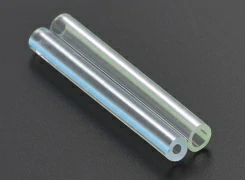
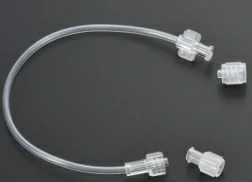
Straight Tubing Set with Male/Female Connectors (Non-Sterile)
LJG-006
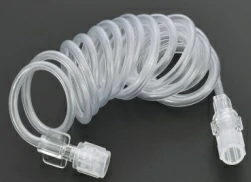
Coiled Tubing Set with Male/Female Connectors (Non-Sterile)
LJG-007
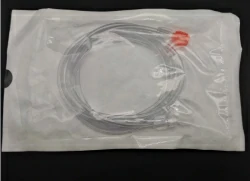
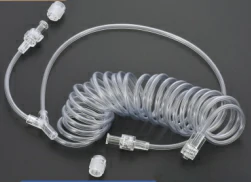
Y-Type Connecting Tube Set (Male Luer + Two Female Check Valves)
LJG-009
Related Questions
Explore More
Need Medical Connectors or Components?
Baixin Bio manufactures luer connectors, valves, drip chambers, clamps, caps and tubing, with OEM and ODM customization. Send your drawings or samples for a quote.
Request a Quote